


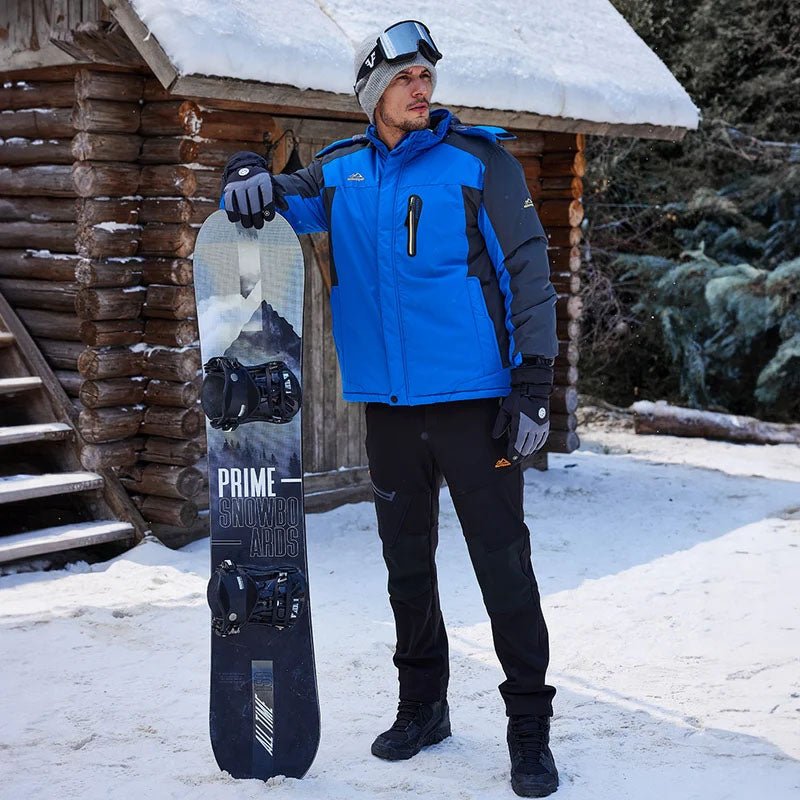
You search "best ski jacket," skim through a dozen reviews, and walk away with more questions than answers. Waterproof ratings, insulation fill, breathability numbers — they're all thrown at you like you're supposed to know what they mean. Sound familiar? It's not your fault. Most guides compare specs without ever explaining what actually matters.
It doesn't have to be that way. There are really only four things that decide whether a ski jacket works for you. None of them are hard to understand. You just need to know what to look at, and in what order.

1. Start with how you'll actually use it
A jacket for a week of resort skiing and a jacket for winter hikes are different pieces of clothing pretending to be the same product. So before you compare any numbers, sort yourself into a bucket:
- Resort skier. You ride groomed runs, stop for lunch, maybe do a blue and a red and call it a day. Your jacket mainly has to block wind and snow. Warmth is nice, but layers do the real work — you'll be moving most of the time.
- Backcountry / snowshoeing. You work up a sweat. Breathability matters more than raw warmth, because damp layers make you colder than any snowfall will.
- Just want something warm for winter. A ski jacket will work, but it's honestly overkill — a parka or fleece-lined coat gets you more warmth per dollar.
Pick one bucket. That single decision already eliminates half the jackets on the market.
2. The waterproofing numbers, minus the confusion
Every ski jacket has a waterproof rating in millimeters. It's a pressure test: how much water the fabric holds off before it soaks through. Higher number = more protection. Simple.
But here's the thing nobody tells you: you don't need the highest number. You need the right one for your bucket.
| Rating | What it's good for | Where it falls short |
| 5,000 mm | Dry cold days, light snow, casual use | Wet snow or all-day precipitation |
| 10,000 mm | Normal resort skiing, mixed weather | Heavy powder days, sitting through a storm |
| 15,000 mm+ | Backcountry, wet climates, harshest days | Overkill for most casual skiers, costs more |
For most people,10,000 mm is the sweet spot.It handles a standard resort day and doesn't cost a fortune.
Breathability is the number that never gets talked about, and it matters just as much. A jacket can be too waterproof — all that trapped sweat stays against your skin, and a wet base layer is the fastest way to feel freezing cold. If you ski hard, look for the word "breathable," or better, pit zips (explained below). We went deeper into how waterproof ratings actually work in this guide to waterproof ratings for jackets,if you want the full breakdown.
3. Warmth: down or synthetic?
Two insulation families, and the choice is simpler than reviews make it sound.
Down is light, packs small, and is incredibly warm for its weight. Its one weakness: moisture. Get it wet and it flattens into a cold pancake. It's also the pricier option.
Synthetic (fleece, polyester fill) is slightly heavier for the same warmth, but it keeps insulating even when damp, dries fast, and costs less. That's why so many all-rounder ski jackets use it — including most jackets in the "first ski jacket" price range.
Quick rule: if you ski dry, cold slopes, down is lovely. If there's any chance of wet snow, slush, or sweating — and there usually is — synthetic is the honest recommendation. For a first jacket, a fleece-lined or synthetic-filled one is the smarter buy, full stop.

4. The details you'll feel on day one
Spec sheets don't mention these, but you'll notice every one of them on your first run:
- Helmet-compatible hood. If you wear a helmet (you should), the hood has to fit over it. Look for "storm hood" or "helmet-compatible" in the description.
- Powder skirt. A stretchy band sewn into the hem that cinches around your waist. Ski powder, and this is what stops snow from coming up your back. If you'll ever ride deep days, don't skip it.
- Pit zips. Zippers under the arms. They dump heat fast on warm days or hard runs, and they're the best breathability feature on any jacket.
- Wrist cuffs.Snow loves sleeves. Adjustable cuffs that cinch down keep it out.
- A lift-pass pocket.Chest or sleeve, wherever it lives — it saves you fumbling at the gate every single run.
These little details aren't exciting, but they're what make the difference between feeling comfortable all day and being miserable by lunchtime.
5. Matching the jacket to the day
- First ski trip, mostly groomed runs: 10,000 mm waterproofing, fleece or light synthetic insulation, a storm hood that fits a helmet. That's it. This covers 90% of resort days.
- Backcountry or snowshoeing: breathability first — light build, pit zips, around 10,000 mm waterproofing is plenty.
- Wet, harsh conditions: 15,000 mm+, and a removable liner so you can drop warmth when the sun comes out instead of owning two jackets.
That's the entire framework. Situation → waterproofing → warmth → details. Everything else is preference, brand, or color.
6. What good looks like in practice
These aren't rankings — they're examples of jackets built for the buckets above, showing how the right features come together.
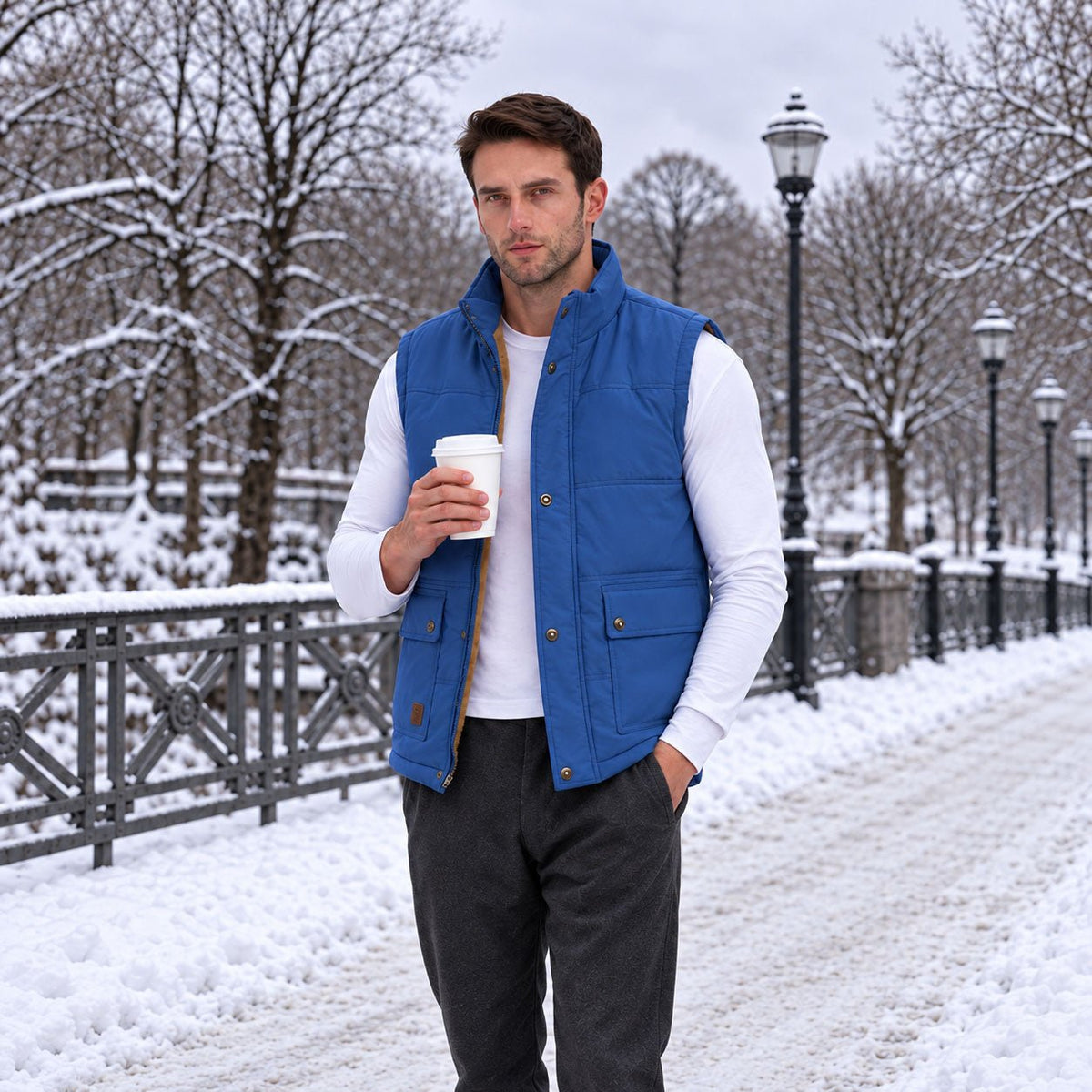
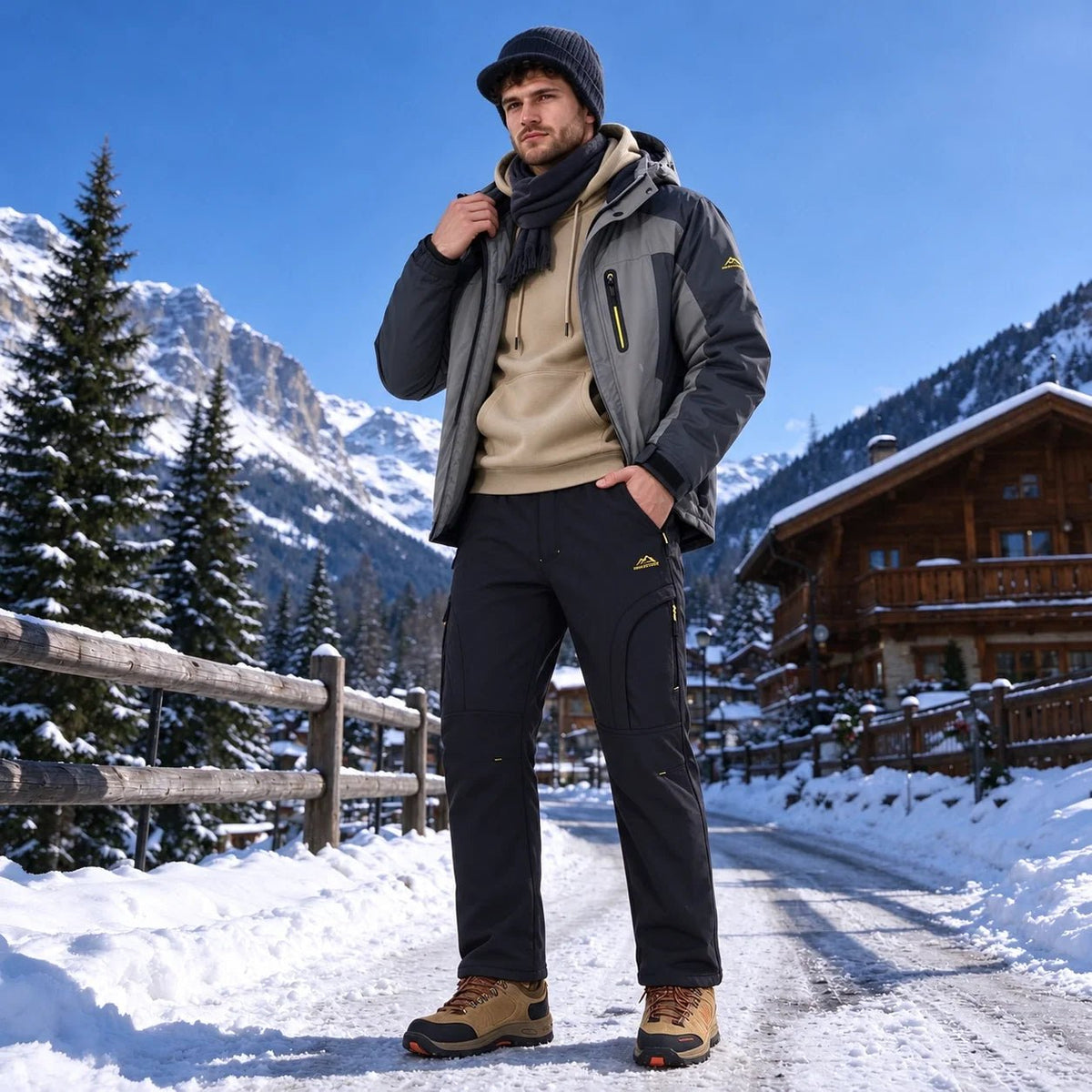
Want one jacket for occasional skiing that also works for winter hikes and travel? The classic shape is a water-repellent, fleece-lined coat with a detachable hood — technical enough for the mountain, normal enough for a city street.The Men's Winter Ski Jacket fits that brief: water-repellent shell, thermal fleece lining, adjustable cuffs and hem, four pockets, and a hood that comes off when you're back in town.
If you run cold and don't mind a heavier coat, the Men's Water-Resistant Fleece-Lined Ski Jacket swaps packability for a thicker fleece lining — the better pick for cold resorts or days spent standing at the top waiting for your group.

For women, the Women's Waterproof Ski Jacket covers the same ground: waterproof shell, insulated warmth, hooded, wind-resistant — built for skiing and snowboarding, with the same practicality off the mountain. It's the one to look at if waterproofing outranks packability for you.
None of these will make you ski better. They'll just keep you comfortable enough that you want to keep skiing — which, honestly, is the whole point of a jacket.
FAQ
What's the difference between a ski jacket and a snowboard jacket?
Fit, mostly. Ski jackets are more tailored, with lift-pass pockets and a tighter hood. Snowboard jackets run roomier (room for pads and layers), longer in the body, with bigger hoods. If you board, go roomier; if you ski, either works.
What size should I get?
Size up from your usual jacket size — you need space for a mid layer underneath. Zip up, reach forward, and if your shoulders or armpits feel tight, go up a size. And check the sleeves: with your arms extended, cuffs should still cover your wrists.
Waterproofing or warmth — which matters more?
Waterproofing, for most people. You can always add a layer underneath; you can't fix a jacket that lets snow in. Get the shell right first, then match insulation to your climate.
Can I wear a ski jacket as a regular winter coat?
Yes, with caveats. Ski jackets look fine around town, but they're not the warmest jackets per weight — in a properly cold city, a parka is warmer. Ski jackets shine on the mountain, not at the bus stop.

Leave a comment
This site is protected by hCaptcha and the hCaptcha Privacy Policy and Terms of Service apply.