


Fleece is one of the most widely‑used synthetic fabrics for cold‑weather outdoor apparel. Many shoppers judge fleece only by how soft or thick a jacket feels. Real‑world performance depends on the fabric itself.
This guide focuses purely on fabric material differences. If you want tips for picking a complete fleece jacket, jump to our dedicated buying guide linked later.
We break down three common fleece variants: microfleece, polar fleece, and sherpa fleece. You will learn their fiber build, typical GSM weight, pros and cons, and fabric‑first care rules.
What Makes Fleece Fabric Work
Nearly all modern fleece is made from 100% polyester, not animal wool.
Warmth comes from air pockets trapped inside brushed fibers. Fabric holds heated air close to skin while moving moisture away.
Different fleece types form air pockets differently. Two garments can feel very different even with similar thickness.
Core rule: Evaluate fabric around your activity level, not just temperature. 
Microfleece: Fine‑Fiber Light‑Weight Base‑Layer Fabric
Microfleece uses ultra‑fine polyester fibers, typical 90‑180 GSM. GSM means grams per square meter, textile weight measurement.
Tight smooth knit gives great breathability and decent pilling resistance for its light weight.
Fabric strengths
- Great moisture transfer during activity
- Lightweight and packable
- Works well under outer layers
Fabric limitations
- Low‑to‑moderate insulation
- Not for standalone outer wear in freezing cold
Polar Fleece: Balanced‑Weight Brushed Polyester Fabric
Polar fleece is brushed on both sides, typical GSM 150‑300.
Dual‑side brushed finish delivers balanced insulation without bulky volume.
Fabric strengths
- Good warmth and air flow balance
- Works as mid‑layer or standalone fabric
- Compacts well for packing
Fabric limitations
- Lighter‑weight versions can pill from surface friction
Sherpa Fleece: High‑Pile Dual‑Construction Fabric
Sherpa fleece has dual‑side structure: flat knit base plus long curly high‑pile loops, typical GSM 280‑450.
Most outdoor sherpa is polyester, mimicking wool texture without itchiness.
Fabric strengths
- Excellent warmth when you stay inactive
Fabric limitations
- Poor breathability during heavy sweating
- High‑pile adds bulk, hard to layer under shells
- Catches lint and pet hair easily
- High‑heat washing / drying causes permanent fiber matting
Quick Side‑by‑Side Fabric Comparison Table
All weights are typical industry GSM ranges, not strict factory specs.
| Fabric | Typical GSM | Warmth | Breathability | Best‑For Fabric Use Case | Main Fabric Weakness |
|---|---|---|---|---|---|
| Microfleece | 90‑180 | Low‑Moderate | Excellent | High‑activity base / mid‑layer | Insufficient for standalone freezing‑cold use |
| Polar Fleece | 150‑300 | Moderate‑High | Very Good | Multi‑purpose mid‑layer / standalone textile | Light‑weight variants prone to pilling under friction |
| Sherpa Fleece | 280‑450 | Highest (static use) | Poor | Low‑activity stationary cold conditions | Traps sweat during exercise; bulky; risk of matting |
Polyester Fleece Fabric Care Principles

Rules focus on preserving polyester fiber performance.
- Wash all fleece on cold‑water gentle cycles.
- Never use fabric softener. It creates waxy film blocking moisture‑wicking pores.
- Polar fleece: turn inside‑out before wash to reduce pilling.
- Sherpa fleece: wash separately. Air‑dry when possible; high heat triggers matting.
For general outerwear washing guidance you can read our article: How to Wash the Puffer Jacket Properly
Frequently Asked Questions
Q: Does higher GSM always mean better fleece for hiking?
A: No. Higher GSM boosts stationary warmth but does not improve breathability. For hiking, air flow matters equally.
Q: Can sherpa fleece textile work as a hiking mid‑layer?
A: Not recommended. Its dense pile traps sweat. It is also too bulky for most waterproof shells.
Q: What causes sherpa fabric matting?
A: Matting is fiber tangling, mostly caused by high‑heat dryer settings. Air‑dry sherpa items to keep fluffy loops intact.
Magcomsen Fleece‑Fabric Product Picks

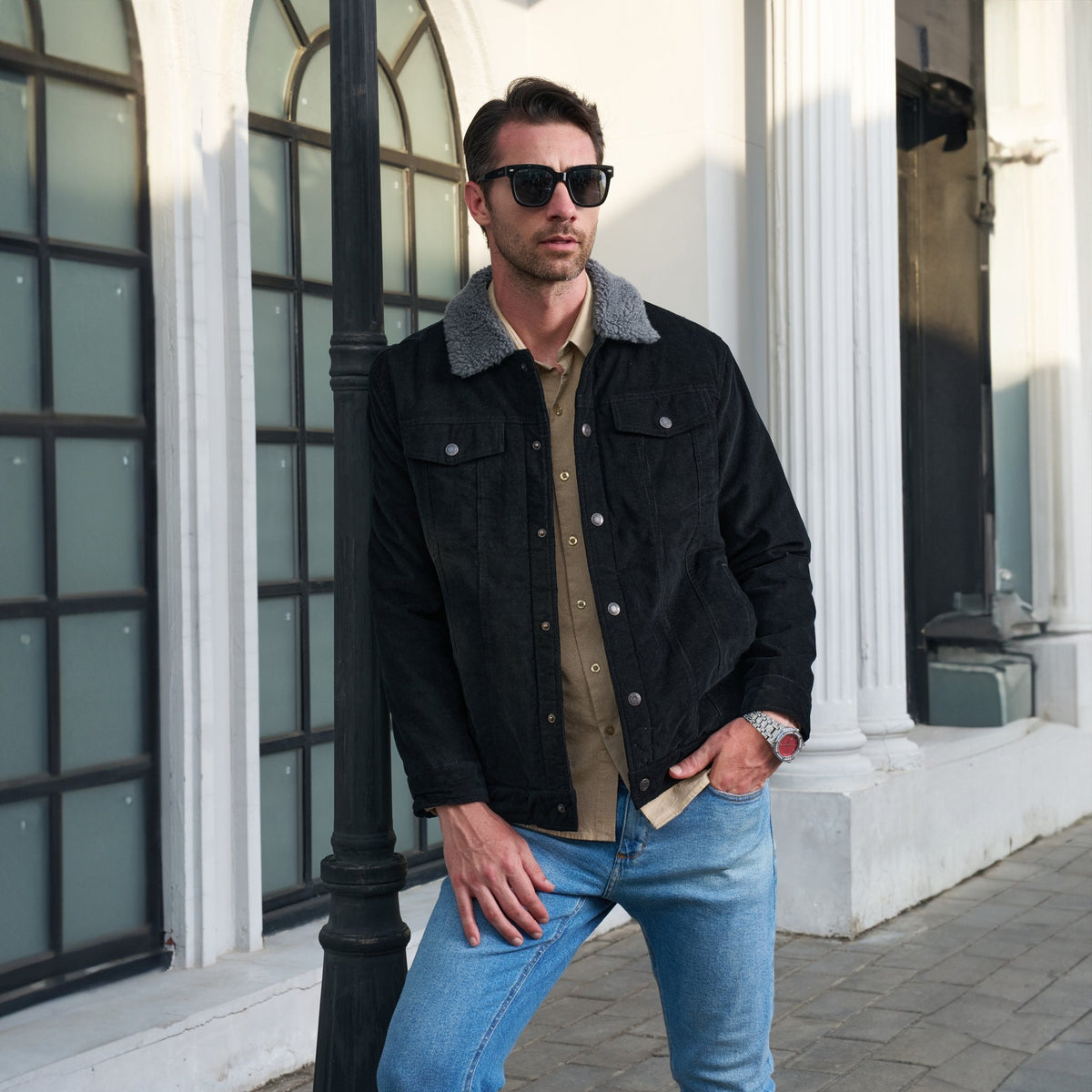
- For low‑activity cold‑weather outings: Men's Sherpa Lined Corduroy Jacket. Built with authentic sherpa fleece lining, best for stationary casual use.
- For trail‑ready layering: Men's Polar Fleece Pullover Quarter‑Zip Winter Sweatshirt. Genuine polar fleece for balanced warmth and breathability.
Ready to compare complete jacket models by features and use‑case? Visit: A Technical Guide on How to Choose Fleece Jacket Models
Closing
Microfleece, polar fleece and sherpa fleece are all polyester fleece, yet fiber construction creates very different performance.
- Microfleece: built for high‑movement lightweight layering
- Polar fleece: flexible all‑round textile for mixed‑use
- Sherpa fleece: cozy warmth for stationary cold‑weather moments
If you want to dive deeper into outer‑wear textile knowledge, check our guide: What Is a Good Waterproof Rating for Jackets

Leave a comment
This site is protected by hCaptcha and the hCaptcha Privacy Policy and Terms of Service apply.